
Detail
Flat roofs
  • Inverted roof
  • Hot roof
Sloped roofs
  • Sloped roofs with ventilated gap below membrane
  • Insulation of sloped roofs on wood beams
  • Sloped roofs with ventilated gap over membrane
  • Microventilated roofs
Cavity walls insulation
  • Cavity walls
Exterior insulation
  • Ventilated walls
  • External insulation
Interior insulation
  • Interior
Walls below ground
  • Walls below ground
Residential floors
  • Floors
Industrial floors
  • Cold storage rooms floors
Thermal bridges
  • Insulation of thermal bridges
Isothermal trucks
  • Isothermal trucks
Infills and renovations in humid rooms
  • Infills and renovations in humid rooms
Sandwich panel
  • Sandwich panel
Ediltec ediltec tetto rovescio non praticabile 1

Non-treadable inverted roof insulation

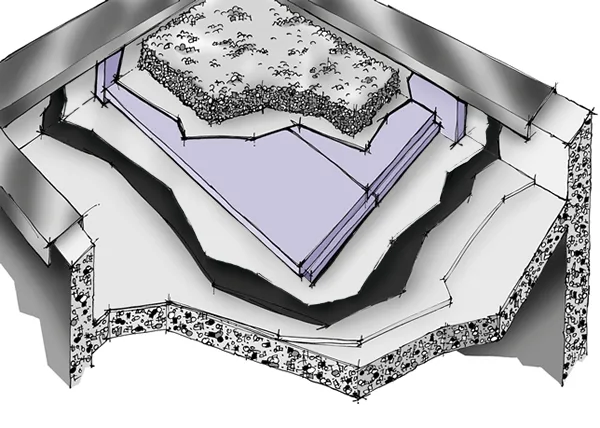
A non-treadable inverted roof is a flat-roof construction in which the thermal insulation is installed above the waterproofing membrane, reversing the conventional sequence of a warm roof. In this configuration, the waterproofing layer remains beneath the insulation and is therefore protected from direct exposure and temperature variations.


Extruded polystyrene (XPS) is particularly suited to inverted roof applications because of its combination of high compressive strength, low water absorption and suitability for exposure to the conditions occurring above the waterproofing layer.

For non-treadable roofs, the XPS insulation is typically protected by a filter/separation layer and a ballast layer, commonly washed gravel. The ballast protects the insulation from direct UV exposure and contributes to keeping the roof build-up stable against wind-induced uplift.


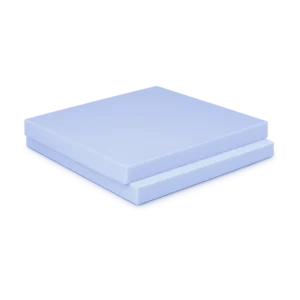
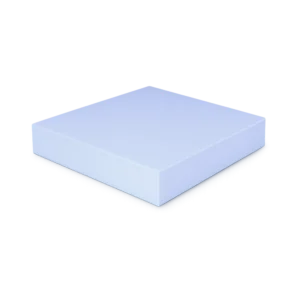
X-FOAM® HBT boards, with their shiplap edges and compressive strength of ≥ 300 kPa, are suitable for this type of application. The insulation is installed above the waterproofing layer, creating a continuous thermal layer while the membrane performs the waterproofing function beneath it.

Because rainwater can penetrate between and beneath the insulation boards in an inverted roof, the effect of rainwater flow on thermal performance must be considered when determining the required insulation thickness.

Ediltec icona posa in opera

Laying

Installation begins with a continuous and correctly installed waterproofing layer over the roof substrate. Before laying the insulation, the waterproofing should be complete and...

Ediltec icona vantaggi

Advantages

The distinctive advantage of an inverted roof is the position of the insulation above the waterproofing membrane. This configuration provides thermal insulation while also...

Ediltec icona avvertenze

Warnings

In this type of application, thermal insulation is exposed to bad weather and rainwater, which, as it runs off the roof, reduces the thermal insulation value. During planning, a...

Ediltec icona faq

Frequently asked questions - faq

Can both XPS and PIR be used for external wall insulation?

Yes, suitable XPS and PIR products can be incorporated into compatible external wall insulation systems. Product selection depends on thermal requirements, substrate, façade system and project-specific performance requirements.

Why is XPS suitable for below-ground wall insulation?

XPS combines low water absorption, thermal performance and high compressive strength, making it suitable for external insulation of below-ground walls exposed to soil and mechanical stresses.

What functions does POLIISO® TEGOLA combine in a pitched roof?

POLIISO® TEGOLA combines PIR thermal insulation, integrated metal tile-support profiles and openings for under-tile micro-ventilation in a single roofing element.

How does X-FOAM® EASY TEGOLA contribute to under-tile ventilation?

X-FOAM® EASY TEGOLA incorporates longitudinal grooves on its upper surface that create channels for under-tile micro-ventilation, while transverse grooves are designed to accommodate the tile arrangement.

Recommended products...

Technical Insights

This site is registered on wpml.org as a development site. Switch to a production site key to remove this banner.